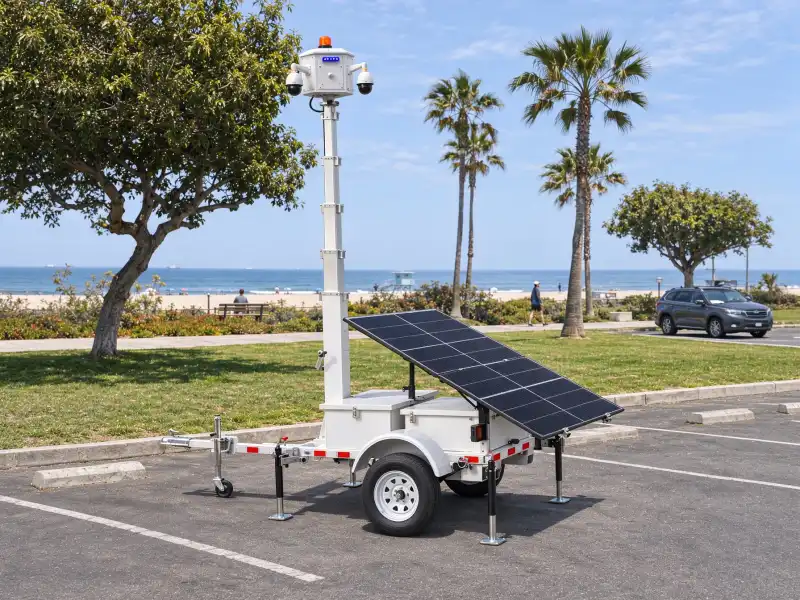
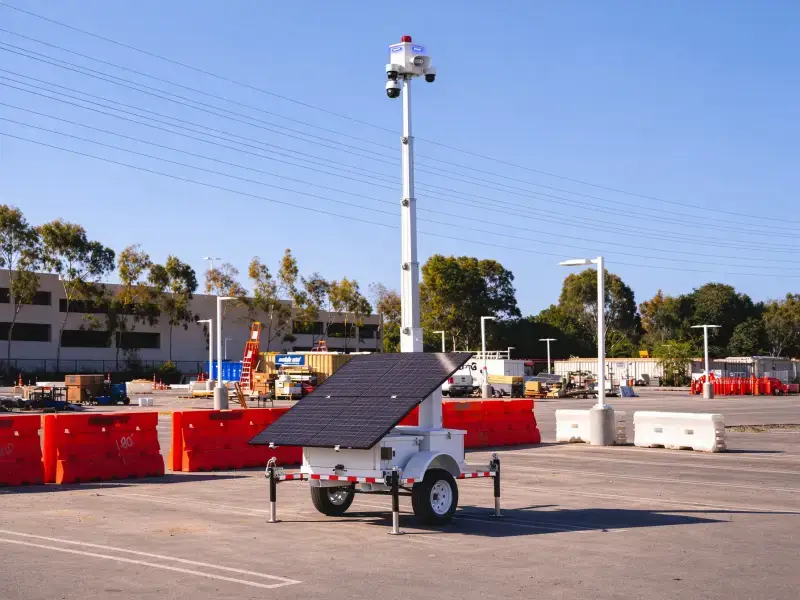
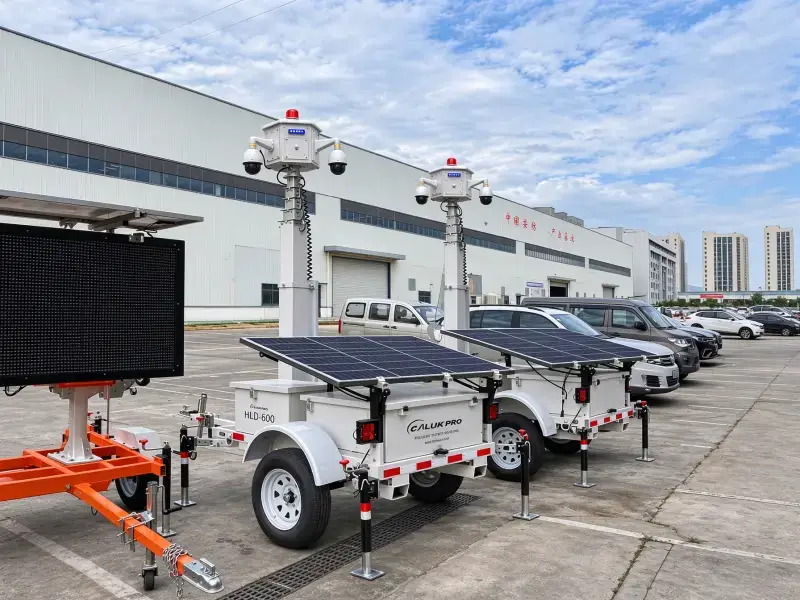
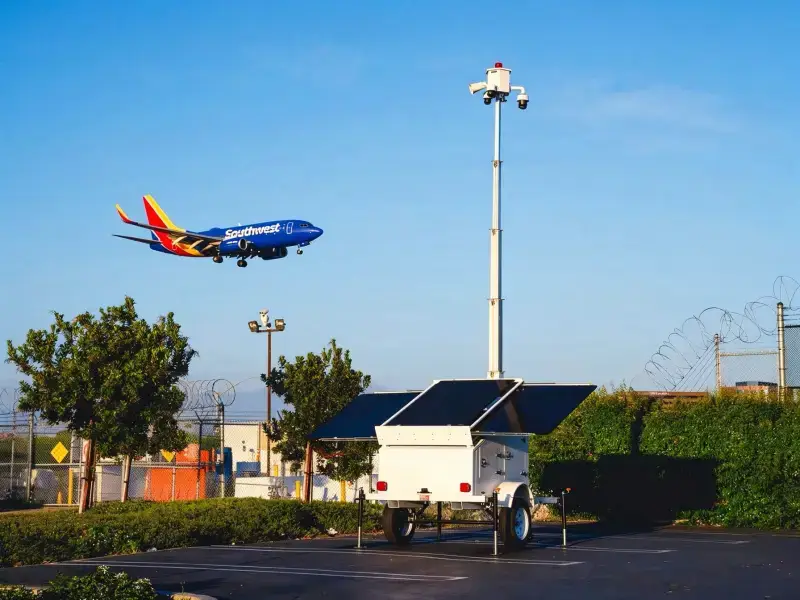

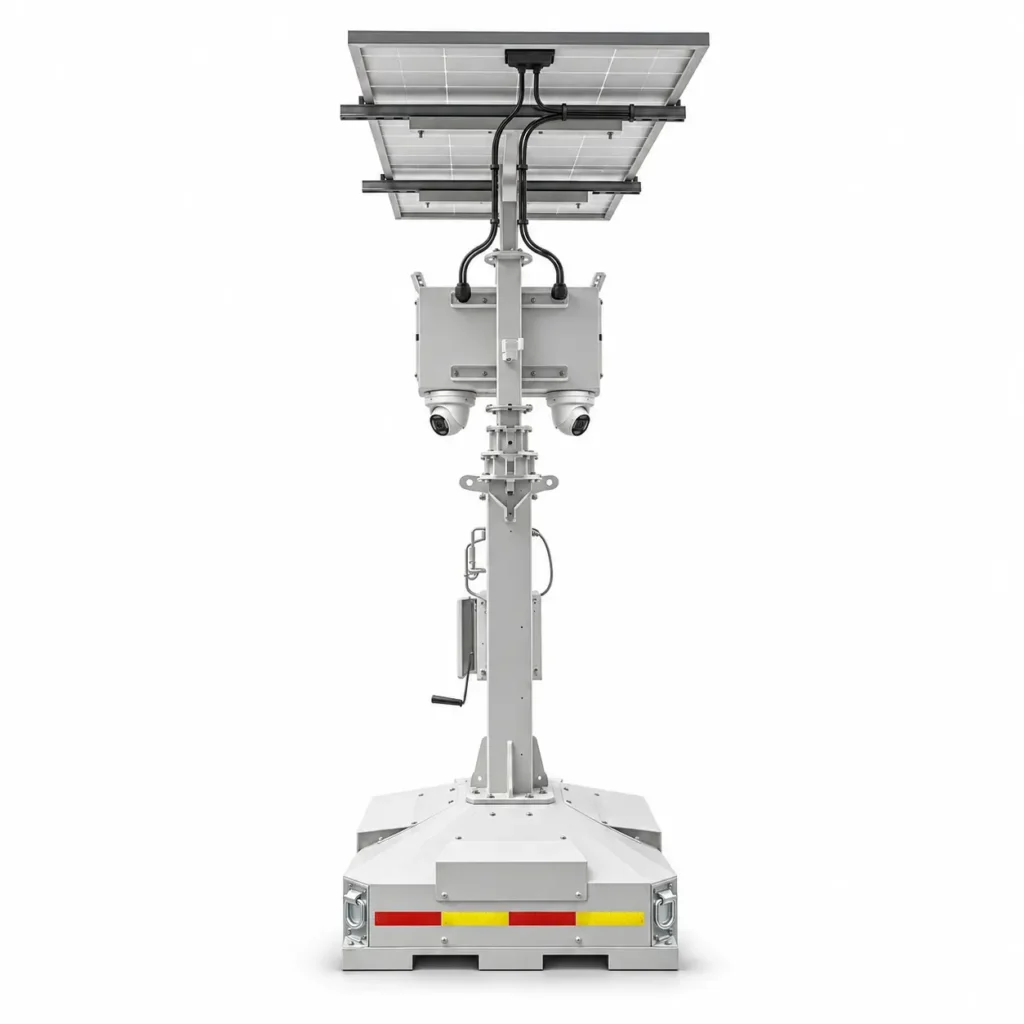
Solar-Powered Mobile Surveillance SystemsIntegrated manual slide-out foldable-array solar surveillance trailer

HANKUN 8500 Solar Surveillance Trailer

Home›Products›Solar Surveillance Trailers›HANKUN 8500 Solar Surveillance Trailer
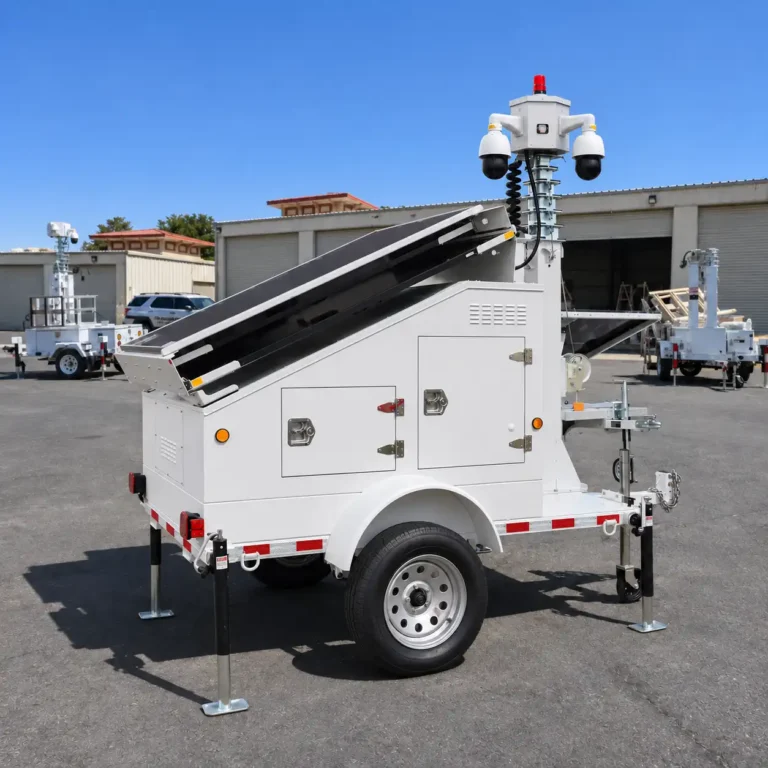
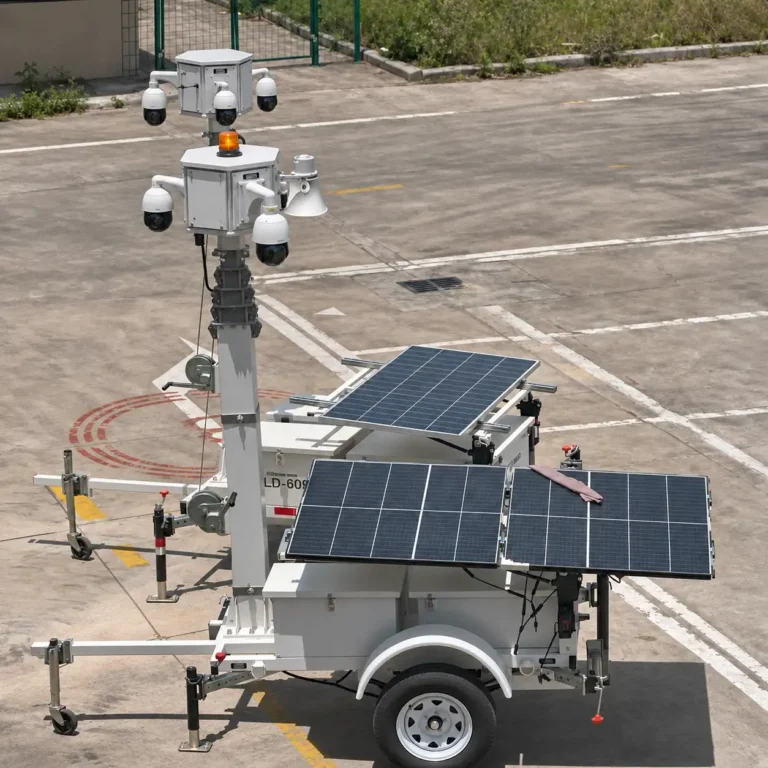
A single-axle solar surveillance trailer with an integrated manual slide-out solar array, a 3–4 × 460 W reference configuration, up to 20.48 kWh aggregate nominal lithium-ion battery-bank energy, selectable mast lifting and a one-operator deployment workflow for repeated site relocation.
Who should choose it: Choose the 8500 when one trained operator must repeatedly prepare, tow and redeploy an integrated solar surveillance platform. Choose the 5000 when adjustable panel angle and future 1–8 panel expansion matter more than the integrated slide-out transport workflow.
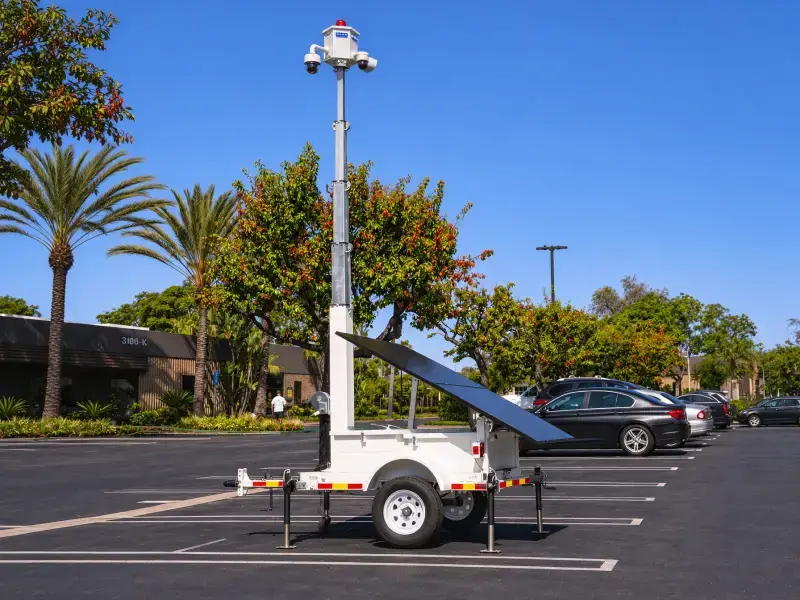
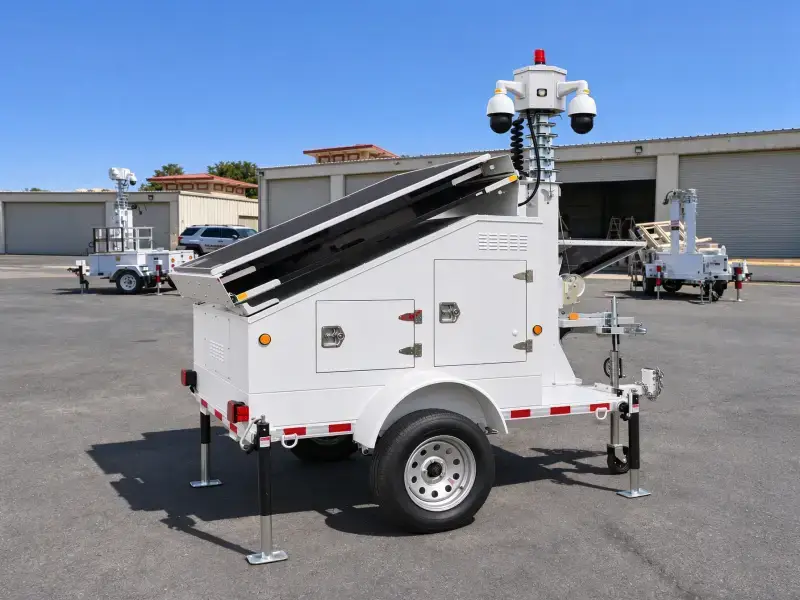
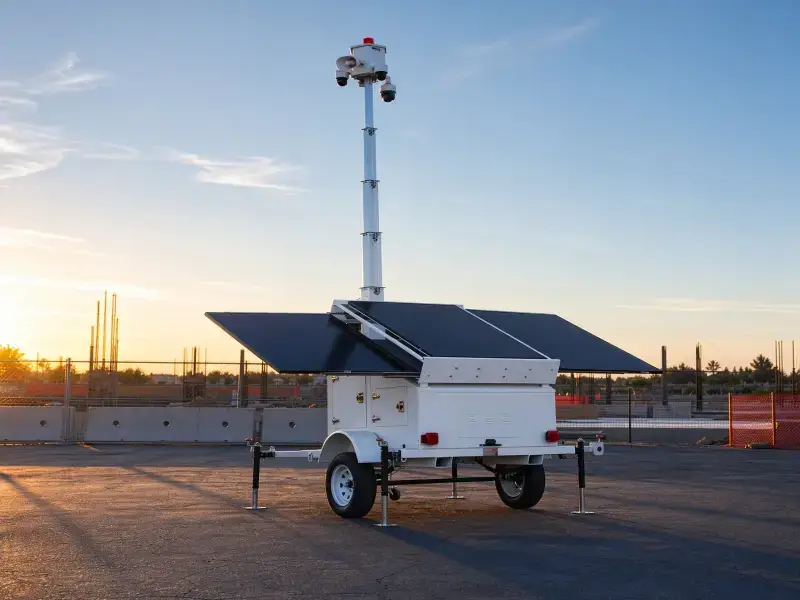
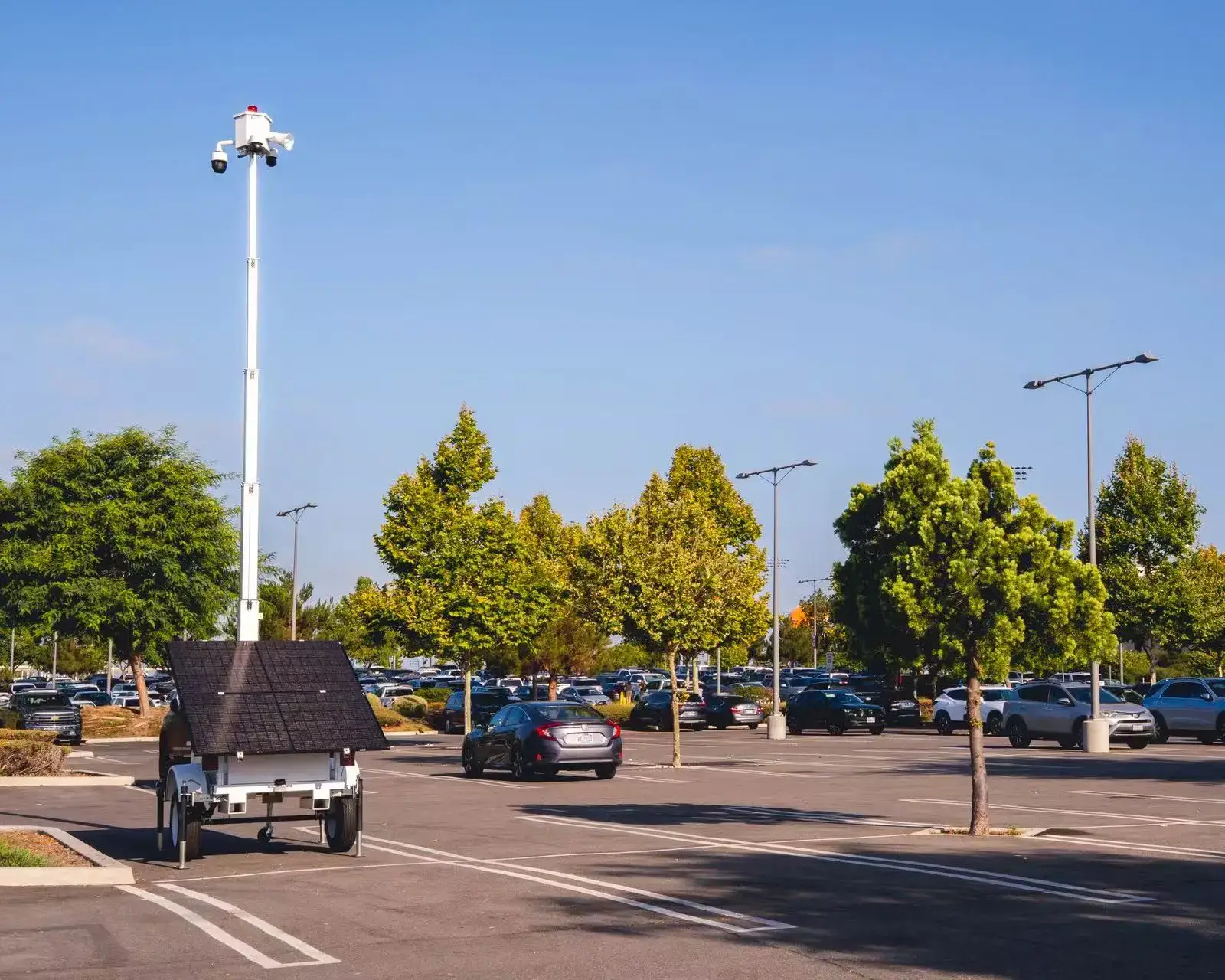
8500 Solar Surveillance Trailer - Mobile Solar Powered CCTV Trailer38500 Solar Surveillance Trailer - Mobile Solar Powered CCTV Trailer48500 Solar Surveillance Trailer - Mobile Solar Powered CCTV Trailer58500 Solar Surveillance Trailer - Mobile Solar Powered CCTV Trailer28500 Solar Surveillance Trailer - Mobile Solar Powered CCTV Trailer

HANKUN 8500 Solar Surveillance Trailer

Model HK-SC-T-8500 Integrated Slide-Out Array Single Axle Up to 6 PTZ
BEST FOR
CAMERA FIT
STOWING
STRUCTURE & TRANSPORT
Repeated multi-site relocation
Up to 6 PTZ cameras*
1 operator · approx. 10 min*
Integrated manual slide-out trailer · 3200 × 2000 × 2400 mm stowed · approx. 980 kg
SOLAR & OPERATION
BATTERY OPTIONS
MAST & CAMERA
POWER & MONITORING
3–4 × 460 W · 1 trained operator · approx. 10 min complete stowing*
6 × 12 V 250 Ah lead-acid or 4 × 25.6 V 200 Ah lithium-ion
Manual-winch / electric lifting option · up to 6 PTZ cameras*
AC charging · optional backup power · remote MPPT / battery-status monitoring
* Maximum quantities and optional functions depend on the selected camera package, payload and power configuration.
The 8500 is not published as a 3 kW generator model. AC charging is supported, while a generator or other backup source remains a separately ordered option with its own rating, interface and control logic.
— Model Definition

Integrated Foldable-Array Solar Surveillance Trailer For Repeated Relocation

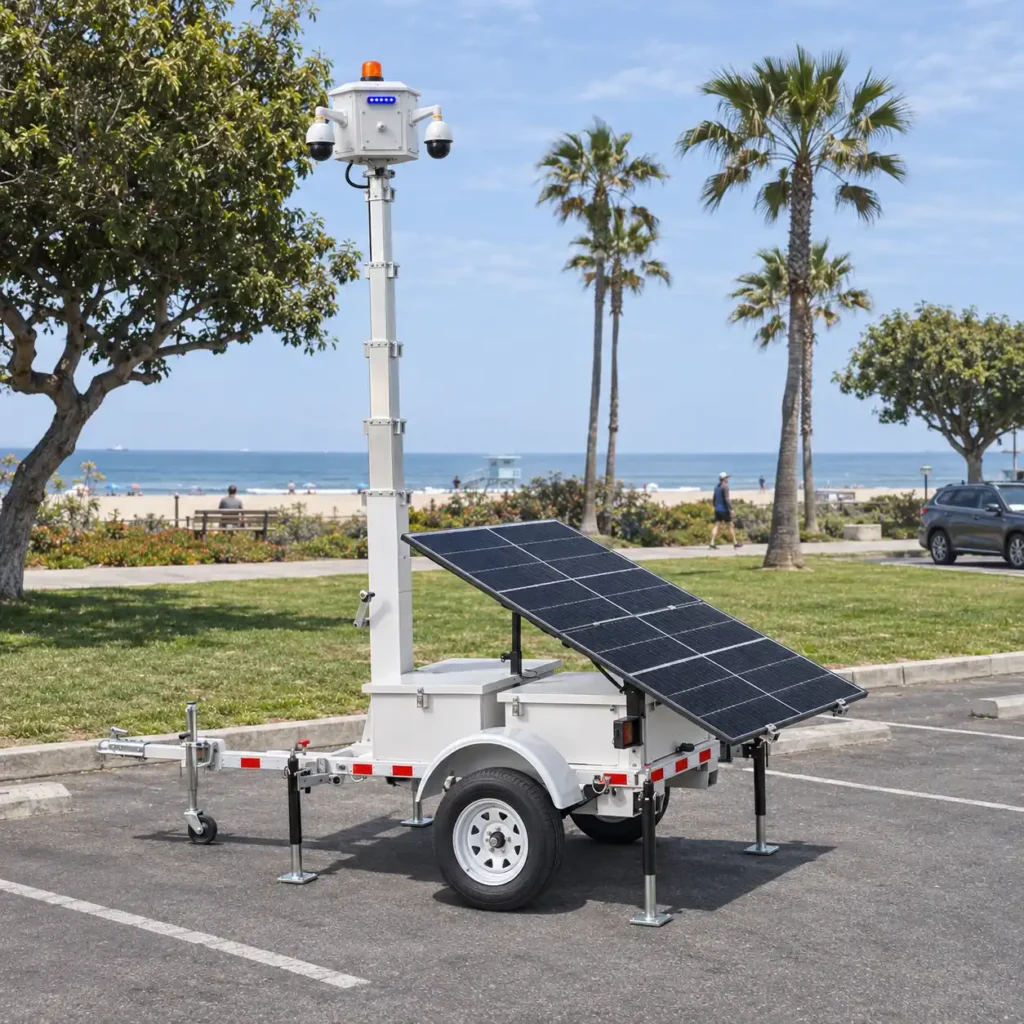
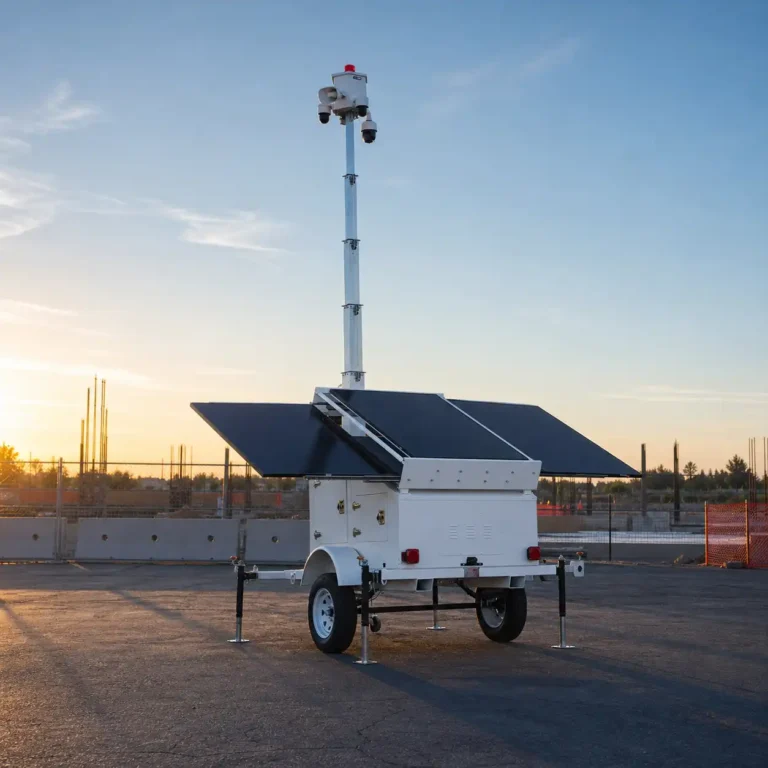
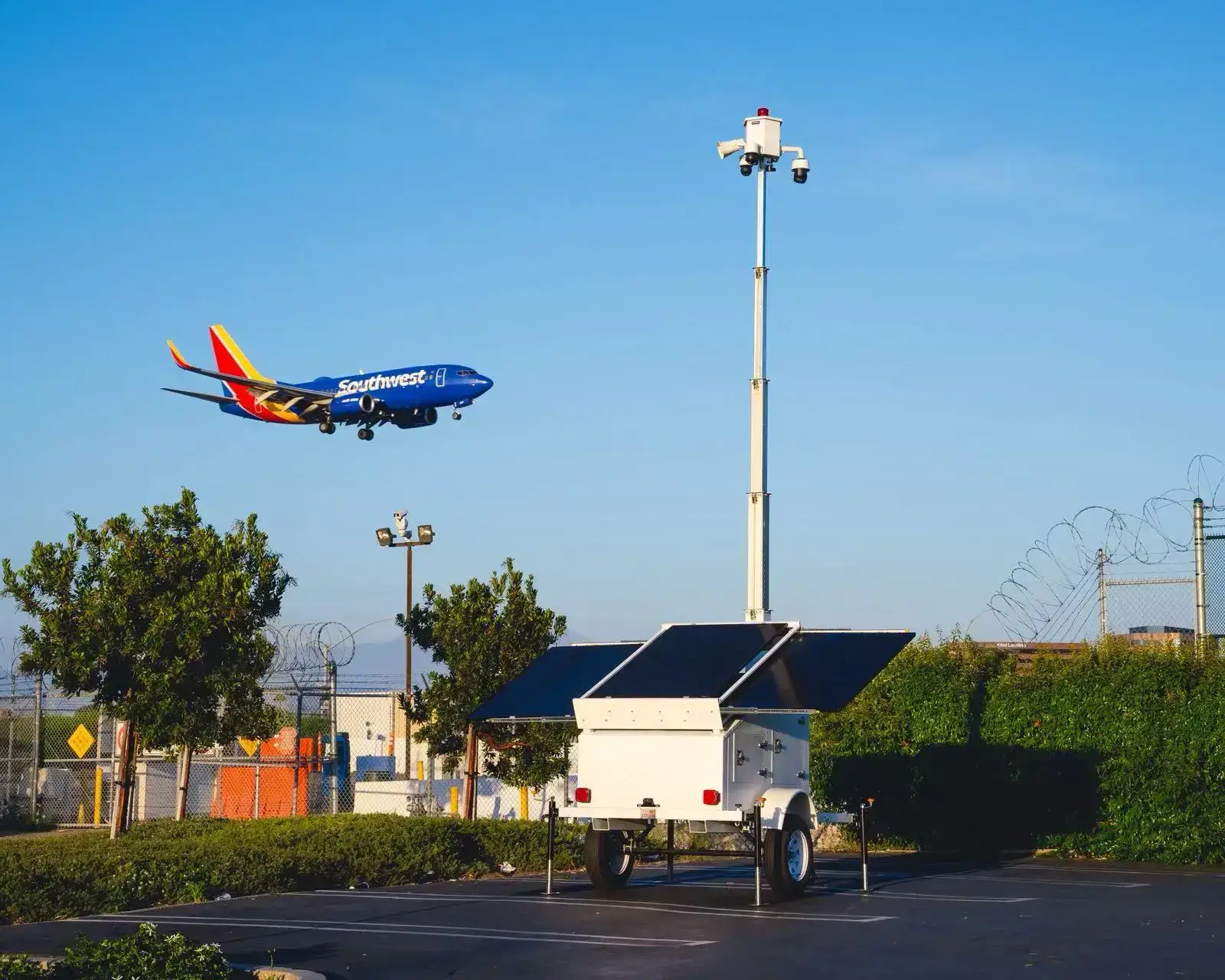
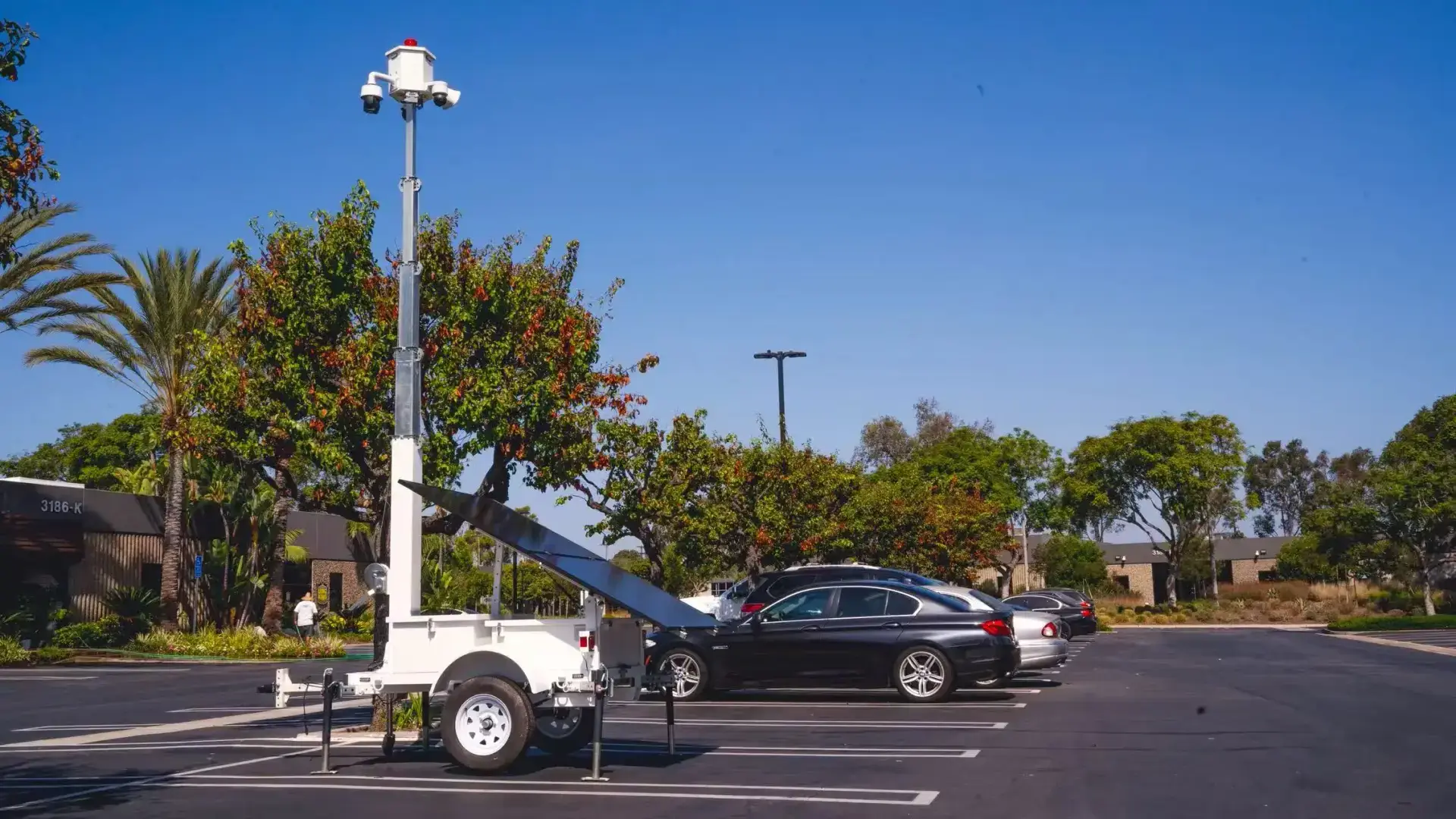
The HANKUN 8500 is a solar surveillance trailer, mobile solar CCTV trailer and solar security camera trailer built around an integrated manual slide-out array and a one-operator transport-preparation workflow. It is designed for construction, mining, parking, events, rental fleets and remote sites that need an off-grid monitoring point to move as project risks and coverage areas change.
Same product class, three published names — the wording changes with the procurement, not the hardware.
▤
Category name

Solar Surveillance Trailer

HK-SC-T-8500
The name used in this page’s specification table and approved configuration list.
◎
CCTV-led name

Mobile Solar CCTV Trailer

Camera function
Used when the specification is written around the camera task, coverage and retention.
⬤
Security-led name

Solar Security Camera Trailer

Deterrence
Used when the procurement is driven by site security, deterrence and remote verification.
Choose the 8500
Choose the 8500 when one trained operator must repeatedly prepare, tow and redeploy an integrated solar surveillance platform.
Choose the 5000
Choose the 5000 when adjustable panel angle and future 1–8 panel expansion matter more than the integrated slide-out transport workflow.
— Selection Guide

Not Sure This Is The Right Structure? Nine Selection Questions

These are the decisions that change the quotation. Each answer resolves one block of the configuration list.
Q1

How often will the trailer move between sites?

The 8500 is strongest when one operator will repeatedly stow, tow and redeploy the same integrated platform.
Q2

Can one trained operator complete the deployment and stowing procedures?

The reference configuration is designed for one trained operator; complete stowing takes approximately 10 minutes, while deployment time follows the released procedure and site conditions.
Q3

Will 3 or 4 solar panels be ordered?

Select the final 460 W panel quantity from the complete daily load, site solar conditions, battery configuration and transport drawing.
Q4

Which battery chemistry is required?

Compare six 12 V 250 Ah lead-acid batteries with four 25.6 V 200 Ah lithium-ion batteries using usable energy, temperature, cycle life, weight and transport requirements.
Q5

Is manual-winch or electric mast lifting preferred?

Consider deployment frequency, operator procedure, auxiliary power, maintenance and the ordered mast safety system.
Q6

Which camera and deterrence tasks must the mast support?

Define PTZ, fixed, panoramic, thermal, LPR/ANPR, speaker, warning lights, mounting, payload, field of view and power.
Q7

Is external AC charging sufficient, or is backup power required?

Specify the AC input and charger, or define the optional generator or other backup source, interface, control logic and operating conditions.
Q8

What remote energy data must the operator see?

Confirm MPPT data, battery state of charge, alarms, communications interface, platform and fleet-management requirements.
Q9

Are the published transport dimensions and container quantities suitable?

Check 3200 × 2000 × 2400 mm stowed dimensions, approximately 980 kg reference weight and the approved 3-unit 20GP / 7-unit 40HQ loading plan.
Drag or slide · 9 questions
— Core Structure

Six Statements That Define The Platform

Each item is a fixed property of the 8500. Anything not listed here belongs to the ordered configuration and is confirmed in writing.
Solar Surveillance Trailer CCTV
01

Single-axle, twin-wheel platform

Approved pickup towing, with the road package inspected before every move.
Solar Surveillance Trailer CCTV
02

Integrated slide-out array

3–4 × 460 W reference configurations, carried on the trailer rather than a separate ground frame.
Solar Surveillance Trailer CCTV
03

One trained operator

Deployment and stowing by one person; approximately 10 minutes for the complete approved stowing workflow.
Solar Surveillance Trailer CCTV
04

Transport envelope

3200 × 2000 × 2400 mm (L × W × H), including the camera equipment box in the overall stowed height.
Solar Surveillance Trailer CCTV
05

Two battery chemistries

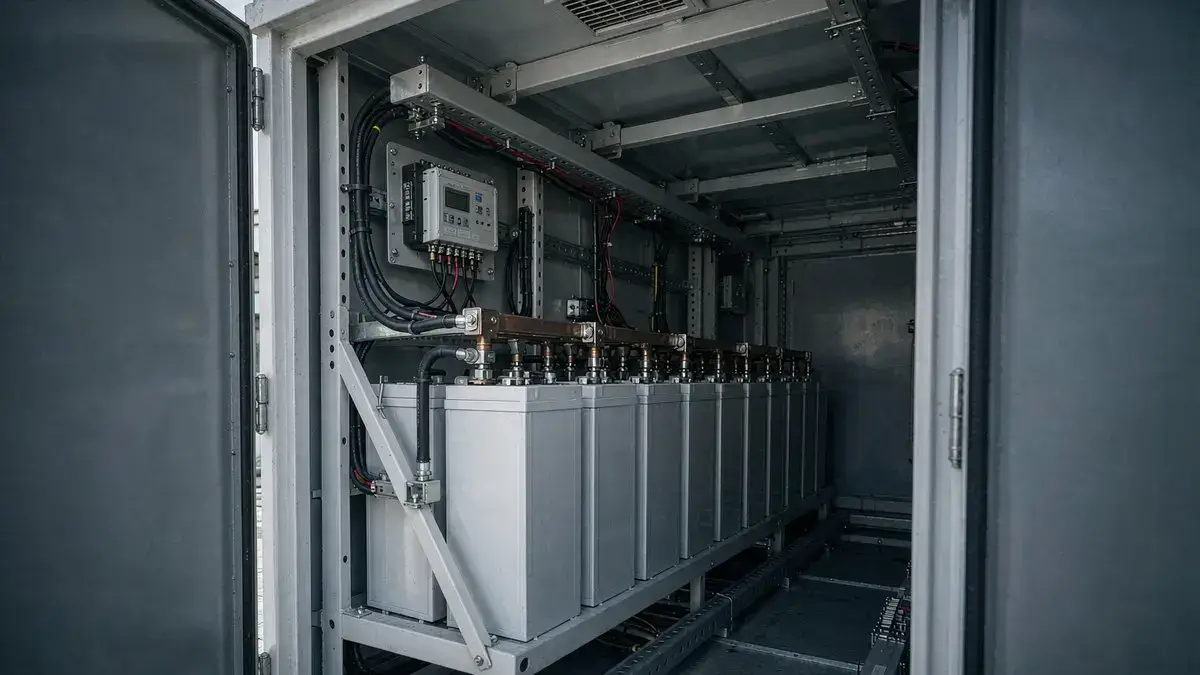
Up to 6 × 12 V 250 Ah lead-acid or 4 × 25.6 V 200 Ah lithium-ion batteries in the same enclosure.
Solar Surveillance Trailer CCTV
06

Lifting and monitoring

Manual-winch or electric mast lifting, AC charging, optional backup power and remote MPPT / battery-status monitoring.
— System Layers

How The System Works

Four layers, each released separately. A change in one layer does not silently change the others.
01

Harvest

Solar generation under the approved site conditions.
02

Store & manage

Charge control and batteries sized from the real load.
03

Capture & record

Camera and recording architecture follow the task.
04

Connect & respond

Remote access and alerts depend on network and software design.
— Deployment

One-Operator Deployment And Approximately 10-Minute Stowing

The reference workflow is designed for one trained operator. Approximately 10 minutes applies to the complete stowing process — not automatically to deployment time.
Stage
Operator action
Evidence / release requirement
1 · Position and support
Place the trailer in the approved orientation and complete the ordered leveling / stabilization procedure.
Ground condition, support arrangement and exclusion zone.
2 · Deploy the solar array
Manually slide out the integrated panels, engage every locking point and verify safe clearance.
Released panel sequence, locking details and permitted wind state.
3 · Raise the surveillance head
Use the ordered manual-winch or electric mast-lifting system after overhead and payload checks.
Mast height, rated payload, cable schedule and wind procedure.
4 · Commission the system
Verify MPPT operation, battery status, camera, recording, network, audio and alarm functions.
Approved configuration list and commissioning checklist.
5 · Prepare for transport
Reverse the approved sequence: lower the mast, manually retract and lock the array, secure enclosures and inspect the road package.
One trained operator; approximately 10 minutes for complete stowing under suitable conditions.
— Power Continuity

Power-Continuity Choices

Five layers decide whether the camera stays up. Generation, storage, external charging, backup and monitoring are separate order lines; the buyer confirms each one before the electrical schedule is released.
Lead-acid option
18 kWhaggregate nominal
Lithium-ion option
20.48 kWhaggregate nominal
Power layer
8500 configuration
What the buyer must confirm
Primary generation
3–4 × 460 W integrated solar panels
Site solar resource, shading, season and daily energy demand.
Battery storage
Up to 18 kWh nominal lead-acid or 20.48 kWh nominal lithium-ion
Usable energy, temperature, reserve and actual system load.
External charging
AC charging supported
Input voltage, charger rating, connector and protection.
Backup source
Optional generator or other backup-power integration
Source rating, fuel or energy plan, interface and manual / automatic control logic.
Remote energy visibility
Remote MPPT operating data and battery-status monitoring supported
Controller data points, alarms, communications interface and platform.
— Applications

Where This Model Is Used

Six deployment types are published for the 8500. Each one is a site where the monitoring point moves with the work rather than staying at a fixed asset.
Solar Surveillance Trailer CCTV

Solar CCTV Trailer for Construction Site

Move one integrated surveillance point as gates, laydown areas and active work fronts change during the project.
Hankun 8500 events car park crowd monitoring

Solar CCTV Trailer for Mining Site

Support off-grid monitoring around equipment compounds, access roads and temporary operating areas with an approved high-load configuration.
Hankun 8500 remote area airfield perimeter.webp

Solar Surveillance Trailer for Remote Area

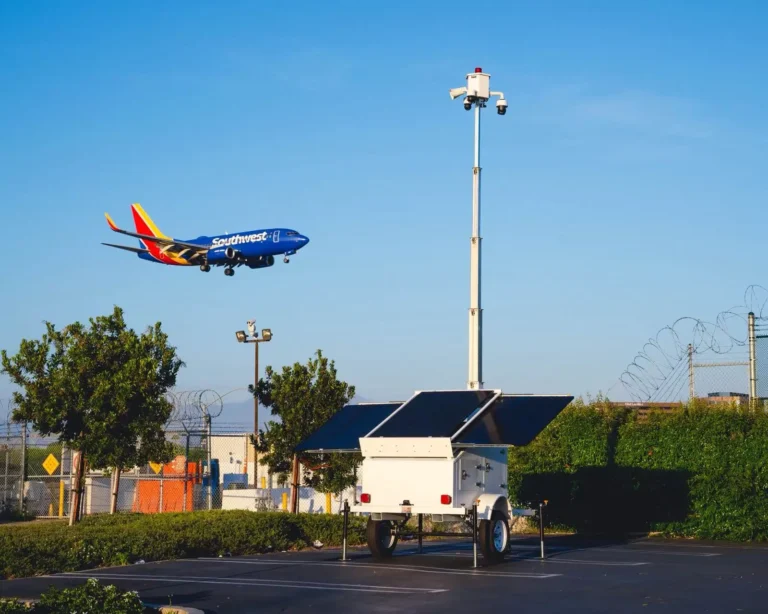
Combine solar generation, battery storage, cellular communications and optional backup power where fixed utilities are unavailable.
Solar Surveillance Trailer CCTV

Solar CCTV Tower for Sports and Events

Deploy temporary elevated monitoring, crowd overview and optional audio deterrence, then prepare the unit for removal by one trained operator.
Hankun 8500 parking entrance monitoring.webp

Solar CCTV Trailer for Parking Lot

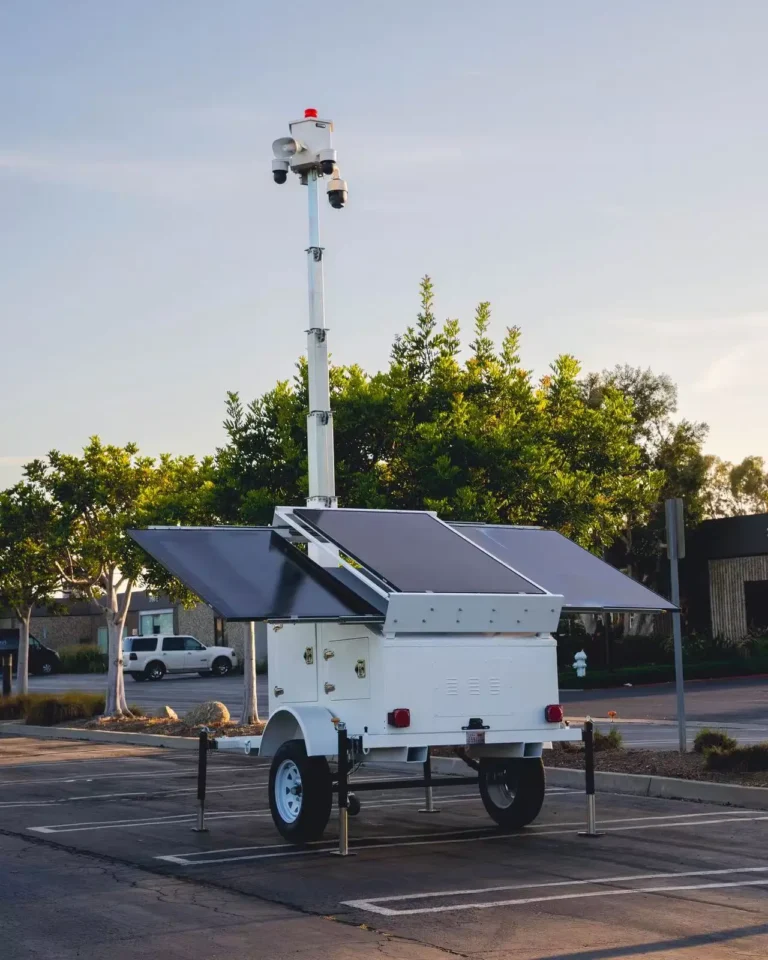
Monitor entrances, vehicle areas and pedestrian routes using a relocatable trailer rather than permanent civil works.
Solar Surveillance Trailer CCTV

Solar Surveillance Trailer for Security Rental Fleets

Standardize a fold–tow–deploy workflow for contractors serving multiple temporary sites and customer configurations.
— Design Rationale

Why It Is Designed This Way

Six structural decisions, and the problem each one answers. They are the reason this platform is specified as a trailer rather than as a panel frame on a chassis.
▤
Principle 01

Why the array is integrated with the trailer

Trailer + array→No separate ground frame
The solar structure remains part of the 8500 platform so operators do not manage a separate expandable ground frame during normal deployment and transport preparation.
⇄
Principle 02

Why the panels use a manual slide-out mechanism

Manual slide-out→No unverified electric or hydraulic system
Manual slide-out movement avoids presenting the array as an unverified electric or hydraulic system while supporting a controlled one-operator deployment sequence.
◷
Principle 03

Why one-operator stowing matters

1 operator→≈10 min complete stowing
A repeatable complete stowing workflow of approximately 10 minutes helps rental fleets and security contractors estimate labor and transport-preparation time.
▮
Principle 04

Why two battery configurations are published

18 kWh lead-acid→20.48 kWh lithium-ion
The enclosure can support up to 18 kWh aggregate nominal lead-acid storage or 20.48 kWh aggregate nominal lithium-ion battery-bank energy, allowing chemistry and usable energy to follow the load and operating conditions.
⚡
Principle 05

Why AC charging and backup power are separate options

AC charging→Backup source
AC charging replenishes the battery bank from an external supply. An optional generator or other backup source requires its own interface, rating, control logic, fuel or energy plan and ordered configuration.
◈
Principle 06

Why the coating is a duplex system

90 μm zinc→90 μm powder coat
A nominal 90 μm hot-dip galvanized zinc layer plus a nominal 90 μm polyester powder-coat dry film combines sacrificial corrosion protection with an additional coated barrier and finish.
— Fit Boundary & Alternatives

When This Model Is Not The Right Choice

Five situations point to a different platform or to a different conversation. One of them is a claim that needs correcting before a quotation is issued.

Future expansion to a large 1–8 panel array is the priority

→ Compare the 5000 adjustable expandable-array trailer.

The monitoring point will remain semi-permanent and road equipment is unnecessary

→ Compare the 5000B skid-mounted tower.

Only one focused low-power camera point is required

→ Compare the smaller 100S before specifying a full trailer platform.

The site cannot accommodate the released deployed footprint or safe exclusion zone

Use the final deployed-dimension drawing and select another platform if the required clearance is unavailable.

A 3 kW auto-start generator is assumed as standard equipment

The 8500 supports optional generator or other backup-power integration, but no generator rating or automatic control sequence is standard unless stated in the ordered configuration.
— Adjacent Model

How It Compares With The Adjacent Model

Both platforms are solar surveillance trailers. The procurement distinction is the array mechanism and the transport workflow, not the camera count.
This page
Adjacent model
Procurement distinction
HANKUN 8500 Solar Surveillance Trailer
HANKUN 5000
8500: integrated manual slide-out array and one-operator fold–tow–deploy workflow for repeated relocation.
5000: separate enclosures with adjustable panel angle and a 1–8 panel expansion strategy that may require panel removal before road towing.
— Image Evidence Plan

What The Supplied Photography Has To Prove

Eight images carry the claims made above. Each one is specified with the exact state it must show and the ALT text published with it.
ID
Required visual evidence
ALT direction
IMG-01
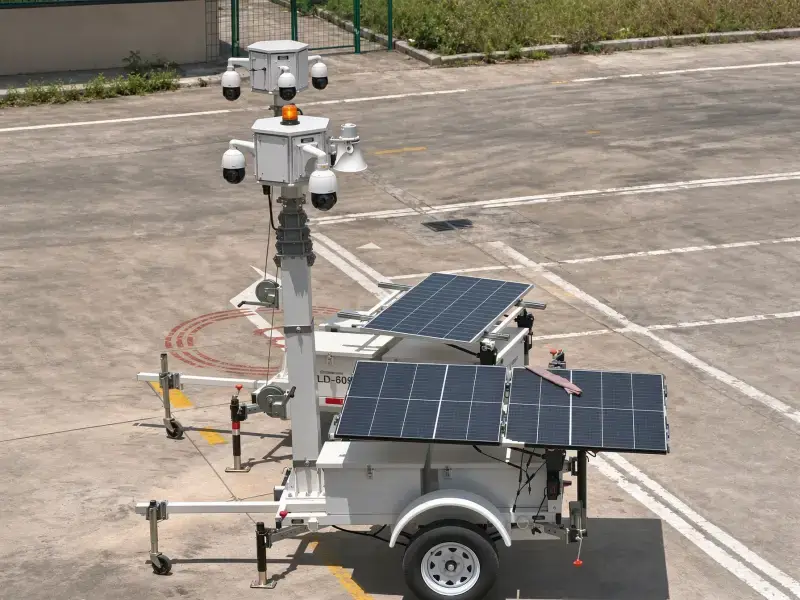
Three-quarter deployed view showing the complete 3- or 4-panel integrated array and surveillance head
HANKUN 8500 Solar Surveillance Trailer — Three-quarter deployed view showing the complete 3- or 4-panel integrated array and surveillance head
IMG-02
One-operator manual slide-out deployment sequence with time stamps and locking points
HANKUN 8500 Solar Surveillance Trailer — One-operator manual slide-out deployment sequence with time stamps and locking points
IMG-03
Transport-ready state proving the 3200 × 2000 × 2400 mm overall envelope and camera-box height
HANKUN 8500 Solar Surveillance Trailer — Transport-ready state proving the 3200 × 2000 × 2400 mm overall envelope and camera-box height
IMG-04
Battery-compartment layouts for 6 × 12 V 250 Ah lead-acid and 4 × 25.6 V 200 Ah lithium-ion configurations
HANKUN 8500 Solar Surveillance Trailer — Battery-compartment layouts for 6 × 12 V 250 Ah lead-acid and 4 × 25.6 V 200 Ah lithium-ion configurations
IMG-05
Manual-winch and electric mast-lifting options shown separately without mixing ordered hardware
HANKUN 8500 Solar Surveillance Trailer — Manual-winch and electric mast-lifting options shown separately without mixing ordered hardware
IMG-06
AC charging interface, optional backup-power connection and remote MPPT / battery-monitoring screen
HANKUN 8500 Solar Surveillance Trailer — AC charging interface, optional backup-power connection and remote MPPT / battery-monitoring screen
IMG-07
Duplex coating evidence showing 90 μm hot-dip galvanized zinc and 90 μm powder-coat dry-film measurements
HANKUN 8500 Solar Surveillance Trailer — Duplex coating evidence showing 90 μm hot-dip galvanized zinc and 90 μm powder-coat dry-film measurements
IMG-08
Approved packing and container-loading plan showing 3 units per 20GP and 7 units per 40HQ
HANKUN 8500 Solar Surveillance Trailer — Approved packing and container-loading plan showing 3 units per 20GP and 7 units per 40HQ
— Technical Data

Technical Specifications And Configuration

Review the current product structure and available configuration. The quotation and approved configuration list define the system supplied for each project.
Parameter
Published value / current configuration
IdentityEngineering model
Engineering model
HK-SC-T-8500
PlatformChassis and transport envelope
Product classification
Integrated manual slide-out foldable-array solar surveillance trailer
Chassis
Single axle with twin wheels
Transport-state overall dimensions (L × W × H)
3200 × 2000 × 2400 mm; overall height includes the camera equipment box
Fully deployed dimensions
To follow the released deployed-dimension and exclusion-zone drawing
Reference complete-unit weight
Approx. 980 kg; final shipping weight follows the ordered configuration
Center of gravity
Coordinates and lifting / towing datum to follow the released handling drawing
DeploymentOperator and time
Reference operator requirement
1 trained operator
Reference complete stowing time
Approx. 10 minutes under the approved procedure and suitable site conditions
SolarArray and transport preparation
Reference panel configurations
3–4 × 460 W panels
Array mechanism
Integrated manual slide-out array; not electric or hydraulic panel folding
Transport preparation
Manually retract, lock and verify the array in the approved road-transport state
BatteryAccommodation and usable energy
Lead-acid maximum accommodation
6 × 12 V 250 Ah; 18 kWh aggregate nominal nameplate energy
Lithium-ion battery-bank maximum accommodation
4 × 25.6 V 200 Ah; 20.48 kWh aggregate nominal nameplate energy
Usable energy and autonomy
Calculated from the approved electrical architecture, chemistry, temperature, depth of discharge, conversion loss, actual load and reserve
MastLifting and payload
Lifting options
Manual winch or electric lifting
Reference maximum height
Up to 9 m
Rated structural payload
To follow the released ordered-mast specification
Internal cablingSchedule and interfaces
Cable quantity and interfaces
Power, data and auxiliary cable schedule to follow the released wiring and interface drawing
SurveillanceCamera capacity and options
PTZ camera capacity
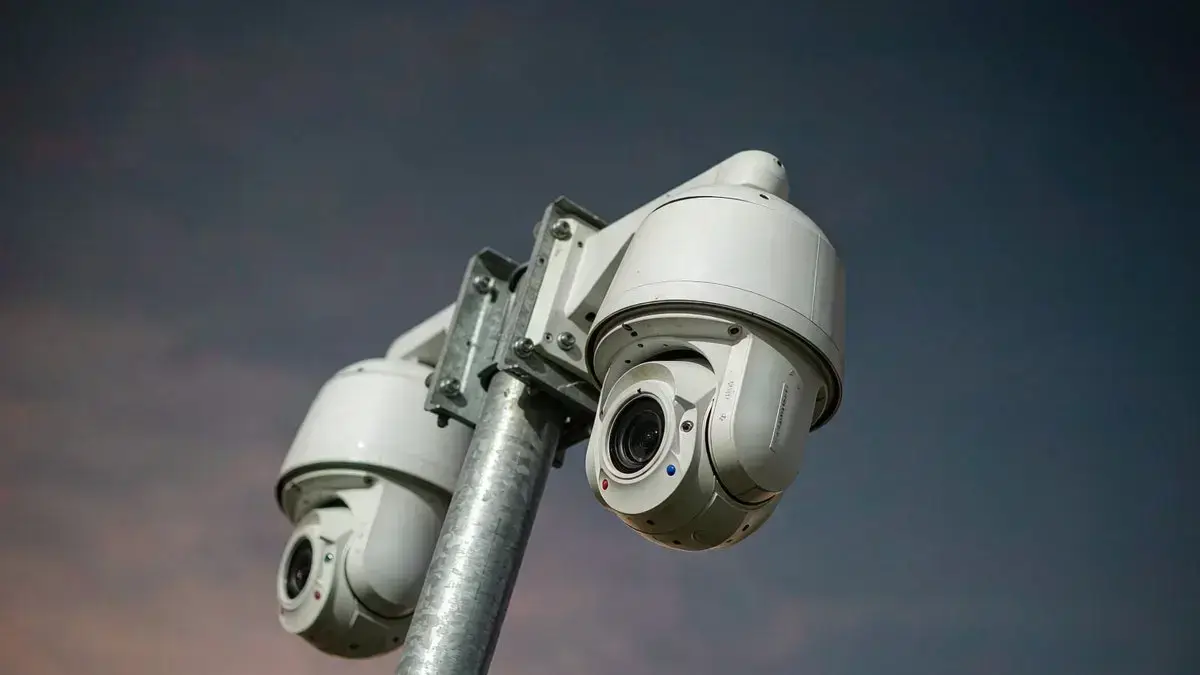
Up to 6 PTZ cameras where mounting, payload and power are approved
Other camera options
Fixed / varifocal / panoramic / thermal / LPR-ANPR
Audio / deterrenceAvailable functions
Available functions
Two-way voice, loudspeaker and warning-beacon options
CommunicationsCellular
Cellular
4G / 5G regional module
RecordingArchitecture
Architecture
Local NVR / VMS gateway / cloud-connected workflow
PowerCharging and backup
AC charging
Supported; input voltage and charger rating follow the ordered electrical schedule
Optional backup source
Generator or other backup-power integration available; source rating, interface and control logic defined separately
MonitoringRemote energy data
Remote energy monitoring
Remote MPPT operating data and battery-status monitoring supported
Corrosion protectionDuplex coating
Duplex system
Hot-dip galvanized zinc coating, nominal 90 μm, plus polyester powder-coat dry-film thickness, nominal 90 μm
WindPermitted deployed state
Permitted deployed state
Up to 110 km/h only in the specified mast, array and stabilizer state with supporting engineering evidence
LogisticsContainer loading
20GP loading
3 units
40HQ loading
7 units
CommercialWarranty and lead time
Limited warranty
3 years
Typical production lead time
Approx. 3 weeks after configuration and order confirmation
A reference or maximum configuration is not standard equipment. The quotation and approved configuration list control the delivered system.
— Configuration & System Design

Configuration And System Design

Hankun 8500 camera recording architecture.webp
01

Camera and recording

Fixed, varifocal, PTZ, thermal and LPR/ANPR options follow the approved camera schedule. Brand examples do not define the standard camera package.
Hankun 8500 battery storage charge control.webp
02

Battery terminology and autonomy

“Lithium-ion” identifies the battery family only; LiFePO₄ / LFP is used only when the ordered cell chemistry is confirmed. Nominal nameplate energy is not usable energy. The BMS limits, permitted depth of discharge, temperature, conversion losses, actual load and reserve setting determine usable energy and operating time.
Hankun 8500 project documentation.webp
03

Project documentation

Drawings, configuration lists and applicable documents are supplied according to the ordered system and destination market.
— Before You Specify

Frequently Asked Questions

It combines an integrated manual slide-out solar array with a single-axle trailer, one-operator deployment and an approximately 10-minute complete stowing workflow for repeated relocation.

The reference deployment and stowing procedures require one trained operator. Complete stowing takes approximately 10 minutes; deployment time depends on the released procedure, site conditions and ordered configuration.

The transport-state overall dimensions are 3200 × 2000 × 2400 mm (L × W × H). The height includes the camera equipment box. Reference complete-unit weight is approximately 980 kg; the ordered configuration and shipping documents control the final value.

The integrated array uses a manual slide-out mechanism. Follow the released sequence, locking points, clearance and wind procedure; it is not presented as an electric or hydraulic panel-folding system.

The maximum stated configurations are six 12 V 250 Ah lead-acid batteries, equal to 18 kWh aggregate nominal nameplate energy, or four 25.6 V 200 Ah lithium-ion batteries, equal to 20.48 kWh aggregate nominal nameplate energy.

Yes. AC charging is supported. A generator or other backup source can be integrated as an ordered option, with the source rating, interface and control method defined separately.

Yes. Remote monitoring of MPPT operating data and battery status is supported; the available values, alarms, communications interface and platform follow the ordered controller and network design.

Confirm the fully deployed dimensions, center-of-gravity coordinates, mast rated payload, and the complete internal cable quantity and interface schedule.

Yes. Camera type, quantity, lens, analytics, mounting and interfaces are confirmed through the approved camera schedule.

4G/5G remote viewing can be configured. Availability depends on coverage, bands, data service, network design, cybersecurity and the selected VMS or cloud platform.

Usable battery energy is divided by the verified average load and adjusted for temperature, conversion losses and reserve margin. It is not one universal number.

Provide location, site objective, coverage, camera tasks, retention, network, solar and temperature conditions, wind requirement, deployment period, movement method, quantity and target date.
Related Products for Your Traffic Safety Solutions

North America Local After-Sales

Canada

US

Canada, Monte

Become a Distributor

Get a Traffic Safety Quote

Design a Solar Traffic Solution

Drag & Drop Files, Choose Files to Upload

Get Technical Proposal

Drag & Drop Files, Choose Files to Upload
Max. File Size: 100 MB

Video Consultation

Fill in your information to reserve a free exclusive video consultation. Our team will contact you within 24 hours to arrange a dedicated online meeting.